A Detailed Take A Look At the Installation Process of Welding Assessment Techniques
Welding evaluation is a vital procedure that assures structural integrity and safety. The setup of inspection methods includes numerous methodical steps, each essential to achieving trustworthy outcomes. From planning and device selection to carrying out aesthetic and non-destructive examinations, each phase needs careful attention. Comprehending these treatments can considerably improve quality control in welding projects. What difficulties develop in executing these techniques, and just how can they be successfully attended to?
Understanding the Importance of Welding Inspection
Welding assessment is an essential part of making certain structural integrity and security in construction and production processes. This technique includes assessing welded joints for issues, ensuring that they meet specific criteria and laws. By systematically evaluating weld high quality, assessors can identify issues such as cracks, spaces, and incomplete fusion, which can jeopardize the stamina and resilience of structures.
The importance of welding inspection extends beyond immediate security issues; it aids prevent costly failures and possible threats in the long-term. Reliable assessment methods foster conformity with market criteria, therefore boosting the total dependability of welded parts. Additionally, a durable assessment process contributes to keeping the reputation of manufacturers and builders, as it assures clients of the top quality of their jobs. Ultimately, comprehending the value of welding evaluation is essential for advertising risk-free building techniques and making sure the durability of important facilities and products.
Choosing the Right Tools for Inspection
When choosing the appropriate tools for examination, it is vital to consider the specific demands of the welding procedure and the materials entailed. Different examination methods, such as aesthetic, ultrasonic, and radiographic testing, demand distinct tools customized to their unique needs. For visual examinations, tools like amplifying calipers and glasses are crucial for evaluating weld high quality. Ultrasonic screening calls for specialized equipment qualified of transmitting and getting audio waves to detect internal imperfections. Radiographic testing, on the other hand, uses X-ray or gamma-ray resources along with sensitive movie or electronic detectors to disclose inconsistencies.
Furthermore, personal safety tools (PPE) is important to ensure the security of examiners throughout evaluations. Selecting the right tools not only enhances the accuracy of evaluations however likewise adds to the general honesty and safety and security of the welding task. A detailed understanding of readily available tools and their applications is important for effective welding evaluation.
Preparing for the Inspection Refine
Before initiating the inspection procedure, it is vital to develop a detailed strategy that details the range and objectives of the analysis. This strategy must include specific standards that define what makes up acceptable top quality in the welding work being inspected. Determining the pertinent codes and requirements is vital, as they will certainly direct the examination standards and methods.
Additionally, employees associated with the evaluation should be properly educated and accredited in welding inspection methods to ensure reliability and precision. A checklist can be beneficial in arranging the various facets of the assessment, varying from devices preparedness to environmental problems that could influence the assessment.

Finally, logistical factors to consider such as organizing, available resources, and communication in between staff member must be resolved. By preparing methodically, assessors can boost the effectiveness of the examination and make certain that all crucial elements are appropriately thought about before proceeding with the evaluation itself.
Carrying Out Visual Evaluations
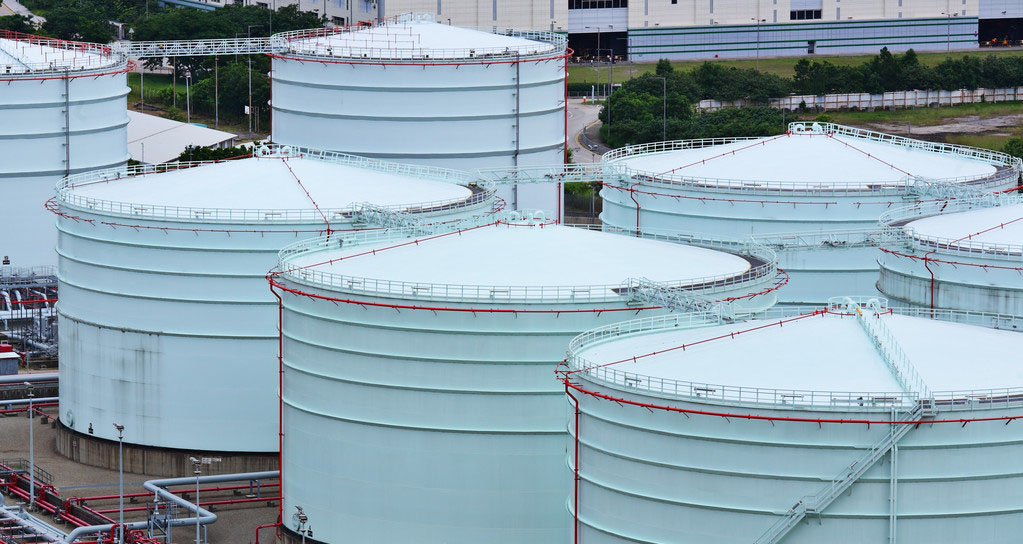
Conducting visual examinations is a crucial action in the welding assessment process, requiring mindful preparation to guarantee reliable analysis. Examiners must be acquainted with crucial issue indicators that can indicate potential concerns in weld quality. By concentrating on these elements, one can enhance the total integrity of the assessment end results.
Preparing for Visual Inspection
Aesthetic inspection works as an important primary step in the welding evaluation procedure, ensuring that any type of potential issues are determined early (API 650 Welding Inspection). Proper preparation is important for reliable visual inspection. Assessors ought to start by assessing appropriate paperwork, including welding procedures and specs, to comprehend the job needs. They must collect required tools, such as magnifying glasses, flashlights, and suitable individual safety devices (PPE) A thorough examination of the evaluation location is vital; inspectors need to validate it is tidy and free of obstructions. Furthermore, it is vital to establish suitable lighting conditions to boost visibility of welds. By taking these preparatory actions, examiners can develop an environment for determining disparities and assuring the stability of the welded frameworks
Trick Defect Indicators
A thorough understanding of vital problem signs is crucial throughout aesthetic inspections to guarantee the high quality and safety and security of bonded joints. Assessors need to focus on specific signs such as cracks, porosity, damages, and insufficient combination. Splits might look like sharp lines and can compromise structural honesty. Porosity shows up as tiny holes that can compromise weld stamina. Undercuts, which are grooves along the weld edge, can lead to stress concentration. Insufficient blend suggests that the weld metal did not correctly bond with the base material, causing a weak joint. By methodically determining these problems, inspectors can ascertain conformity with market criteria and boost the general dependability of welded frameworks, ultimately adding to safer functional conditions.
Implementing Non-Destructive Testing Strategies

Many non-destructive testing (NDT) techniques are essential to ensuring the integrity of welded frameworks without jeopardizing their functionality. These techniques allow assessors to assess weld quality and spot defects without creating damage to the products being evaluated. Usual NDT methods consist of ultrasonic look at more info testing, radiographic screening, magnetic particle screening, and dye penetrant screening. Each technique offers a certain purpose, resolving different types of imperfections such as cracks, porosity, or insufficient blend.
Carrying out NDT strategies requires a systematic method, starting with selecting the ideal approach based on the materials and the nature of the weld. Educating employees in these methods is important for exact results. Furthermore, developing clear treatments and criteria warranties consistency throughout the evaluation procedure. By incorporating NDT right into the welding inspection workflow, organizations can enhance the reliability of their products while decreasing potential risks related to structural failures. This positive strategy inevitably contributes to maintaining security and high quality requirements in bonded building and constructions.
Documenting and Evaluating Assessment Outcomes
Reliable documentation and analysis of evaluation results are crucial parts of the welding inspection process. Precise records of examination findings work as a referral for top quality guarantee and compliance with industry standards. API 650 Welding Inspection. Assessors need to make use of electronic systems or structured forms to log details such as the kind of weld, inspection methods employed, and any kind of disparities recognized during the assessment
Once data is accumulated, comprehensive analysis is important. This entails comparing results against developed requirements to identify trends or persisting problems. Statistical devices may be employed to measure problems and evaluate their influence on general weld quality.
Furthermore, effective interaction of findings to relevant stakeholders is vital. Records and recaps must be clear and succinct, highlighting vital insights and referrals for rehabilitative actions. By methodically examining and documenting inspection outcomes, organizations can promote constant improvement in welding techniques and boost product honesty.
Frequently Asked Concerns
What Credentials Are Needed to Come To Be a Welding Inspector?
To end up being a welding assessor, one normally requires relevant accreditations such as AWS CWI, in addition to experience in welding techniques, knowledge of welding codes, and efficiency in examination methods to assure quality and security criteria.
How Commonly Should Welding Inspections Be Conducted?
Welding examinations should be carried out routinely, commonly after each weld is completed, and regularly throughout jobs. Elements such as project complexity, sector standards, and regulatory demands can affect the frequency of these examinations.
What Is the Expense of Welding Inspection Providers?
The price of welding inspection services differs substantially based on elements such as job size, complexity, and location. Typically, costs range from $100 to $150 per hour, with extra charges for specialized testing and certifications.
Exist Certifications for Welding Inspectors?
Yes, there are numerous qualifications for welding inspectors, including those provided by the American Welding Society (AWS) and the International Institute of Welding (IIW) These certifications guarantee examiners have the required abilities and understanding for effective evaluations.

Exactly how Do I Choose an Inspection Provider?
To pick an assessment company, one need to examine qualifications, experience, market reputation, and consumer evaluations. In addition, contrasting service offerings and prices try this web-site can aid guarantee the chosen provider satisfies details project requires effectively.
Furthermore, personnel included in the examination must be effectively educated and certified in welding assessment strategies to assure dependability and precision. Conducting visual assessments is an essential step in the welding assessment procedure, find more calling for careful preparation to guarantee efficient evaluation. Visual inspection offers as an essential first step in the welding inspection procedure, guaranteeing that any prospective problems are recognized early. Efficient paperwork and analysis of inspection results are necessary components of the welding evaluation process. Welding inspections should be conducted consistently, normally after each weld is finished, and occasionally throughout tasks.